How Can I Do Pest Control at Home by Myself?
No one enjoys dealing with pests in the house. They can be frustrating, messy, and even unhealthy. While hiring a pest control company is always an option, many people are discovering that DIY pest control can be just as effective for smaller problems.
It’s affordable, safe for families and pets, and gives you control over what’s used in your home. With a few simple tricks and natural ingredients, you can protect your home from unwanted guests.
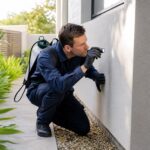
To do your own pest control, focus on prevention by sealing entry points and eliminating food, water, and shelter, and then use targeted treatments like perimeter spraying with insecticides, placing traps in problem areas, or applying baits for specific pests. Always wear personal protective equipment (PPE), read and follow product labels carefully, and keep children and pets away from treated areas until they are dry.
What Is the Best DIY Pest Control?
The best DIY pest control involves a combination of prevention and targeted treatments. Prevention includes maintaining cleanliness, sealing entry points with caulk or foam, and removing standing water. For specific pests, use natural solutions like vinegar and water for general cleaning or a soap and rubbing alcohol spray for plants, or apply products like boric acid for roaches or a baking soda and sugar mix for ants in targeted areas.
Understanding the Basics of DIY Pest Control for Cincinnati Homes
Before you start, it’s important to know why pests come inside. Most pests are searching for food, water, or shelter. When your home provides any of these, it becomes an easy target. Reducing what attracts them is the first step to keeping them away.
Find the Source
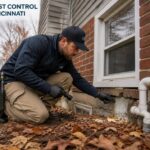
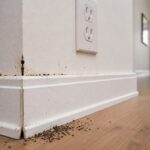
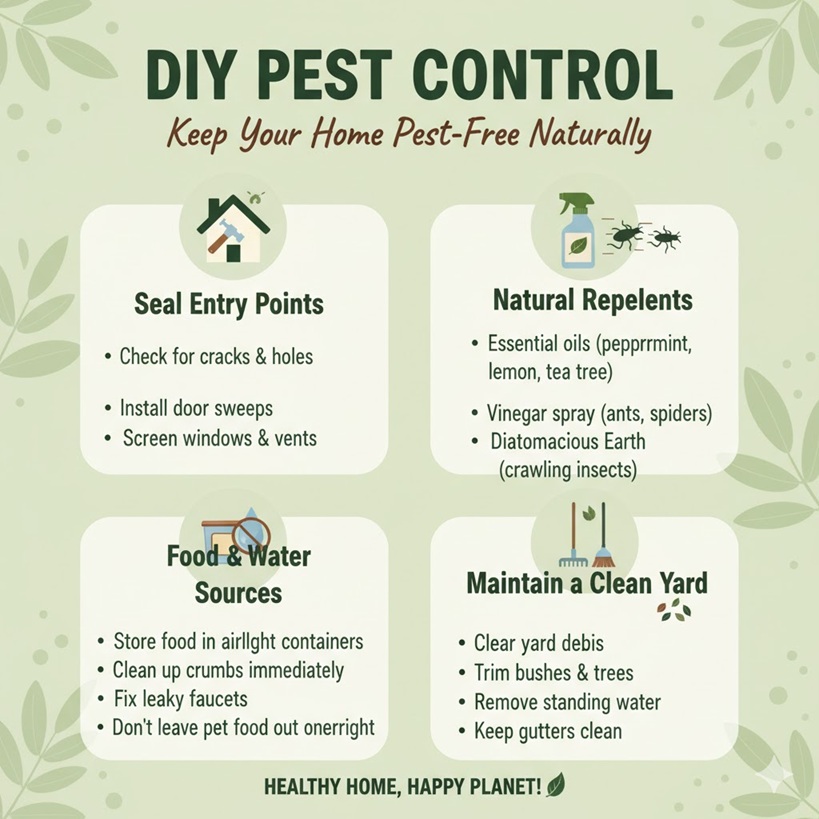
Start by inspecting your home carefully. Look for cracks, holes, and small openings near doors, windows, or baseboards. Once you know where they are coming from, it’s easier to stop the problem.
Keep It Clean
Pests love crumbs, clutter, and moisture. Regular cleaning can make a huge difference. Wipe counters, sweep floors, empty trash bins daily, and avoid leaving dirty dishes overnight.

Most Common Household Pests and How to Handle Them
Ants
Ants are tiny but persistent.
DIY Fix: Mix sugar and borax to create a simple bait. The sugar attracts the ants, and the borax eliminates them at the source. Wipe down surfaces with a mix of vinegar and water to remove their scent trails.
Cockroaches
Cockroaches are attracted to moisture and food scraps.
DIY Fix: Combine baking soda and sugar, then sprinkle it behind appliances and under sinks. The sugar lures them, and the baking soda kills them. You can also place bay leaves or use peppermint oil around your kitchen as a natural deterrent.
Mosquitoes
Mosquitoes can turn any evening into a nightmare.
DIY Fix: Mix water with citronella or lemon eucalyptus oil in a spray bottle. Spray it around windows and patios. Also, get rid of standing water in flowerpots or buckets since mosquitoes breed there.
Spiders
If you see spiders, it usually means they’ve found plenty of insects to eat.
DIY Fix: Spray a mixture of vinegar and water in corners, along ceilings, and near windows. Peppermint oil also helps keep spiders away.
Rodents
Mice and rats are the most common pests found in houses and offices. Mice and rats can cause real damage and spread disease.
DIY Fix: Use traps with peanut butter or oats as bait. Block holes with steel wool, since rodents can’t chew through it. Keep pet food and dry goods sealed tightly.
Termites
Termites can cause serious structural damage if ignored.
DIY Fix: Use cardboard traps or mix neem oil with water and spray affected wood. For severe termite issues, professional help is the best option.
Natural Pest Control Remedies That Actually Work in Cincinnati
Essential Oils
Essential oils like peppermint, eucalyptus, and lavender repel many insects. Mix 10–15 drops with water and spray around doorways and windows.
Diatomaceous Earth
This natural powder kills insects like ants and roaches by drying them out. It’s completely safe for humans and pets when used correctly. Lightly dust it around baseboards, behind furniture, and under sinks.
Vinegar and Lemon
Vinegar and lemon make excellent natural cleaners and pest deterrents. Use them to wipe down kitchen counters, floors, and windowsills to discourage ants, flies, and fruit flies.
Baking Soda
Baking soda works well against roaches and other insects when mixed with a bit of sugar. It’s cheap, easy to use, and safe around the home.
DIY Pest Control for Gardens and Outdoor Spaces in Cincinnati
Your yard and garden can attract a lot of pests, but you can manage them naturally too.
Keep the Soil Healthy
Healthy soil means strong plants, and strong plants are less likely to be damaged by pests. Add compost and avoid overwatering.
Use Natural Sprays
Neem oil and mild soapy water are great for plants. Spray them on leaves to keep away aphids, mites, and other small insects.
Attract Helpful Insects
Ladybugs and lacewings eat harmful bugs. You can attract them by planting marigolds, basil, or dill around your garden.
Tools and Supplies for Effective DIY Pest Control
Basic Supplies
Here’s what you might need:
- Spray bottles
- Rubber gloves
- Caulk or sealant for cracks
- Bait traps
- Essential oils, vinegar, and baking soda
Safety Tips
Even natural products can be strong, so wear gloves and avoid spraying directly near food. Keep your mixtures out of reach of children and pets.
Common Mistakes to Avoid in DIY Pest Control in Cincinnati
Using Too Much Product
Spraying too much can sometimes make pests hide instead of eliminating them. Use small amounts and reapply when needed.
Ignoring the Root Cause
It’s not enough to kill what you see. You also need to block how they’re getting inside and remove what’s attracting them.
Skipping Regular Maintenance
DIY pest control isn’t a one-time task. Make it part of your weekly cleaning routine for lasting results, and compare your efforts to the average pest control cost to see how much you can save by managing small problems on your own.
When It’s Time to Call a Professional
DIY solutions are perfect for prevention or mild infestations. But if pests keep returning, or you notice droppings, nests, or damage to furniture and wiring, it’s best to understand when to call pest control experts. A professional pest control service has the experience, tools, and safe treatment options to handle larger problems effectively and permanently.
Eco-Friendly Tips for Long-Term Pest Prevention
Seal Entry Points
Check under doors, around pipes, and near vents. Even small gaps can invite pests in.
Maintain Your Yard
Trim branches and shrubs so they don’t touch your walls or roof. Clean gutters regularly to prevent nesting spots.
Manage Trash and Food
Keep garbage bins closed, clean them often, and store food in sealed containers. Small steps like these go a long way toward keeping pests away.
Final Thoughts on DIY Pest Control in Cincinnati
DIY pest control is a simple and natural way to protect your home and family. With basic supplies and a little consistency, you can keep your space clean and pest-free all year long. .
The key is prevention, cleaning regularly, sealing gaps, and using natural repellents before problems start. Stay proactive, and your home will stay comfortable, safe, and pest-free.
If you ever face a stubborn infestation or need expert help, Pest Control Cincinnati is here for you. Our team provides safe, effective, and eco-friendly pest solutions to protect your home year-round.