Pest control professionals may spray bedrooms to eliminate hidden pests and protect your home from active infestations
When most people think about pest control, the bedroom is not the first room they imagine being treated. But if insects are active in sleeping areas, spraying the bedroom may be necessary to stop the problem where it starts. Bedrooms often have warm, dark, and quiet spaces that attract pests, so they are a common target during a treatment.
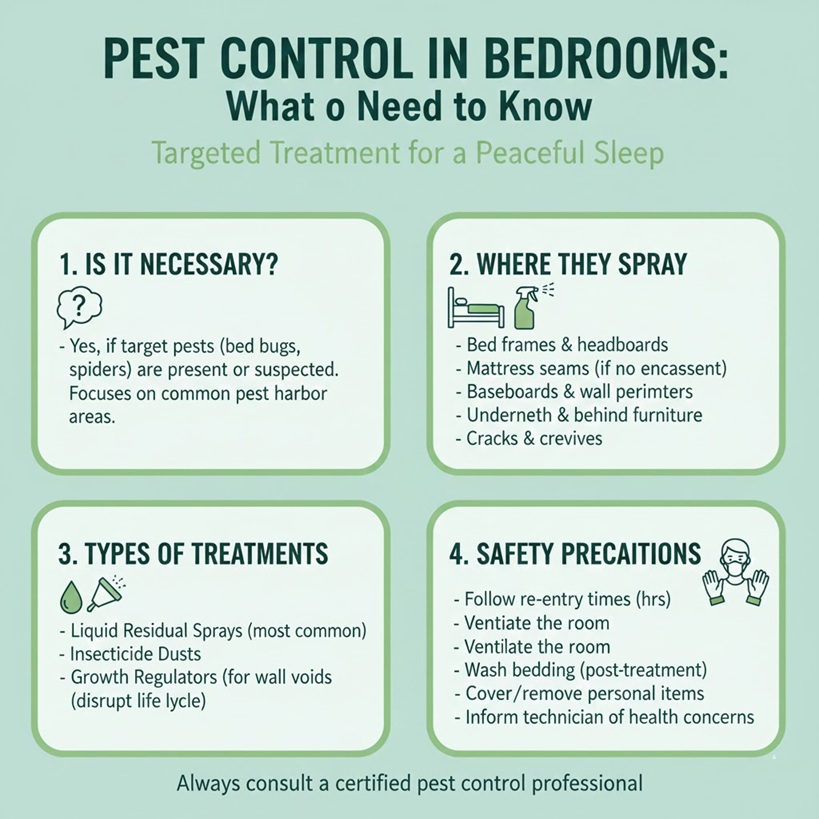
Yes, pest control may spray bedrooms, especially if there is an active infestation or specific pests like bed bugs or fleas are present. Professionals typically target strategic areas like baseboards, closets, and under beds where pests hide, and will adhere to safety guidelines to minimize risks.
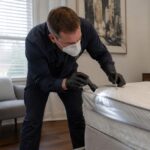
Pest control technicians usually focus on areas where pests like to hide, such as baseboards, under the bed, behind furniture, and inside closets. When needed, they apply safe indoor treatments designed to remove pests without putting your household at risk.
Pest control experts may treat bedrooms when certain pests are involved or when prevention is needed to stop future infestations
Bedrooms can become problem areas for pests that prefer soft surfaces, dark corners, or warm spots. When a technician finds signs of these pests, spraying the bedroom becomes an important part of the service.
Common reasons a bedroom may be treated include:
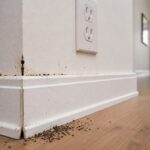
- Active infestation. If there are signs like droppings, bites, shed skins, or live insects, professionals will treat the areas where activity is found.
- Bed bugs or fleas. These pests live in mattresses, carpets, bedding, and furniture, so bedroom treatment is often required.
- Roaches or spiders. They may hide in closets, under beds, or behind dressers.
- Preventative treatment. Even if there is no major infestation, technicians may spray entry points or common hiding spots to prevent future pest problems.
Treating both visible and hidden areas helps ensure pests are removed completely and do not return.
Safe and controlled spraying methods help protect your family and ensure bedrooms remain usable after treatment
Pest control companies follow strict safety guidelines to make sure treatments are effective while still safe for your home. The products used are carefully measured and approved for indoor use when applied by trained professionals.
Here is what usually happens during the process:
- Safety protocols. Technicians apply products only where pests live or travel and avoid unnecessary spraying.
- Preparation. Before the visit, you may need to remove clutter, clear space under the bed, or empty parts of your closet. This helps the technician reach areas where pests may be hiding.
- Aftercare. Once the treatment is complete, the technician will tell you how long to stay out of the room. You may be asked to let the room air out, allow surfaces to dry fully, or wash your hands after touching treated areas.
Following these steps keeps the treatment effective while keeping your home safe and comfortable.
Conclusion
If pests reach your bedroom, spraying the room is often an important part of solving the problem. With simple preparation and proper safety steps, bedroom treatments help you maintain a clean, healthy, and pest-free home.
For fast, reliable, and safe service, contact Pest Control Cincinnati today and schedule your inspection to get rid of pests before they spread.
FAQs About Pest Control for Bedrooms
Does pest control go in every room?
Not always. Pest control usually focuses on areas where pests are most likely to appear, like kitchens, bathrooms, and the perimeter of your home. During the first visit, the technician will inspect all rooms for signs of pests. If there’s a serious infestation or pests like bed bugs or fleas, they may need to treat more rooms, targeting spots like baseboards, closets, and cabinets.
Where do pest control companies spray inside your house?
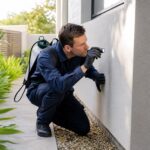
Technicians typically spray in places where pests hide or travel. This can include baseboards, cracks and crevices, under sinks, behind appliances, and inside closets. Kitchens and bathrooms often get special attention because they provide food and water sources for insects. Depending on the situation, they may also treat bedrooms, storage areas, and the home’s perimeter to stop pests from coming back.
Can I sleep in my house after pest control?
Yes, you can, but only after the treated areas have dried completely. This usually takes a few hours depending on the type of treatment used. Once it’s safe to go back inside, make sure the room is well-ventilated and wash your hands after touching any surfaces. After that, your home should be safe and ready to use as normal.