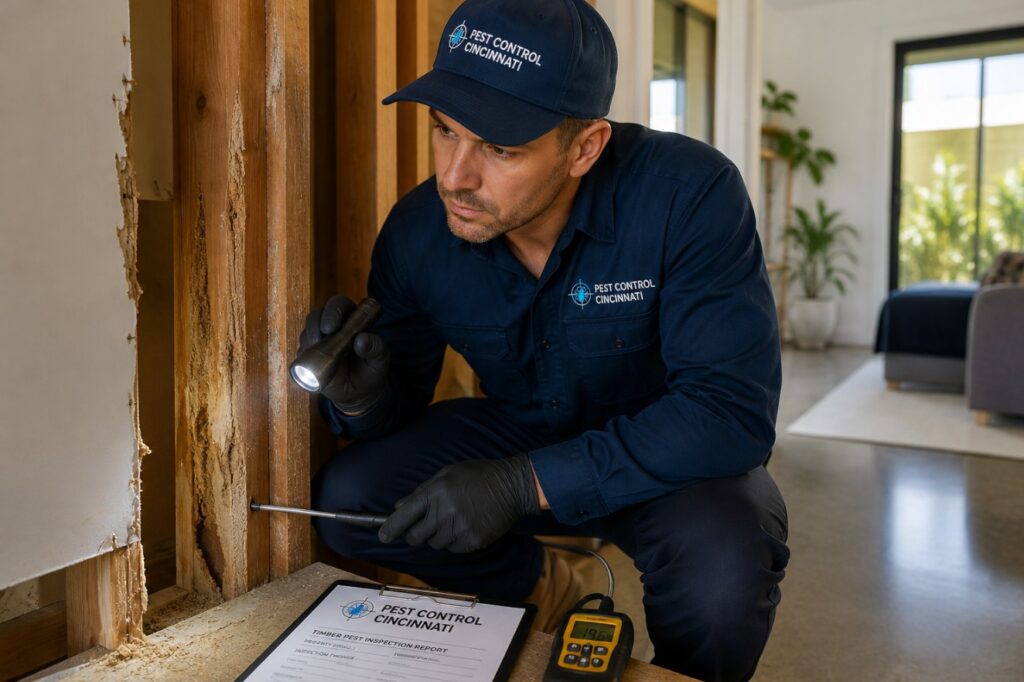
Buying a home is one of the biggest investments you’ll ever make, and the last thing you want is to move in only to discover an unwelcome infestation hiding behind the walls. That’s why a professional pest inspection should be at the top of your pre-purchase checklist, right alongside your general home inspection and appraisal. A thorough inspection doesn’t just protect your wallet — it protects your peace of mind.
If you’re in the middle of a home purchase, here’s everything you need to know about what a pest inspection covers and why it matters so much before you sign on the dotted line.
Why a Pest Inspection Matters Before You Buy
Pests can cause serious structural damage long before any visible signs appear. Termites, carpenter ants, and wood-boring beetles chew through framing, flooring, and support beams, sometimes for years, without homeowners noticing. By the time damage is visible, repair costs can run into the tens of thousands of dollars.
A pest inspection gives you a clear picture of a property’s condition before you commit. It can also become a powerful negotiating tool. If pests or damage are found, you may be able to request repairs, a price reduction, or ask the seller to cover treatment costs before closing.
What a Professional Pest Inspection Covers
A licensed inspector will typically evaluate the following:
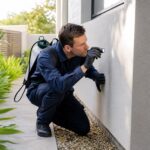
- Termite Activity and Damage Inspectors check crawl spaces, foundations, attics, and wood structures for live termites, discarded wings, mud tubes, and damaged wood. Since termite damage is one of the most expensive pest problems a homeowner can face, this is usually the primary focus of any inspection.
- Wood-Destroying Insects Beyond termites, inspectors also look for carpenter ants, carpenter bees, and powderpost beetles — all of which can compromise the structural integrity of a home over time.
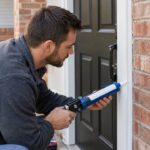
- Rodent Evidence Signs of mice or rats, such as droppings, gnaw marks, nesting materials, and entry points around pipes or foundations, are documented. Rodents can chew through wiring and insulation, creating fire hazards and costly repairs.
- Moisture and Conducive Conditions Excess moisture attracts pests and accelerates wood decay. Inspectors note conditions like standing water, poor drainage, or wood-to-soil contact that could invite future infestations.
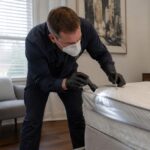
- General Pest Presence Cockroaches, spiders, ants, and even bed bugs may be flagged if evidence is found. While not always deal-breakers, these findings help buyers understand what ongoing maintenance the home may require.
Building a Pest Inspection Plan for Your New Home
Once the inspection is complete, it’s smart to put together a pest inspection plan rather than treating it as a one-time event. A solid plan typically includes:
- An initial inspection before closing to identify existing issues
- A follow-up treatment plan if pests or damage are discovered
- Ongoing seasonal inspections after move-in to catch new activity early
- A relationship with a trusted local provider for fast response if problems arise
Setting up a pest inspection plan early means you’re not scrambling to find help after you’ve already moved boxes in. It also gives you a documented history of your home’s pest status, which is valuable if you ever decide to sell.
What Happens If Pests Are Found?
Finding evidence of pests during an inspection isn’t necessarily a reason to walk away from a home you love. Many issues, from minor ant activity to early-stage termite damage, can be treated effectively. What matters most is having accurate information so you can make an informed decision, negotiate fairly, and plan for treatment costs.
This is where working with an experienced local team makes all the difference. A provider familiar with the housing stock, soil conditions, and common regional pests can give you a realistic assessment instead of a generic report.
Protect Your Investment From Day One
A home is only as strong as what’s holding it up, and pests don’t wait for a convenient time to move in. Whether you need a one-time pre-purchase inspection or ongoing home pest control after you close, having a trusted partner matters. From pest control cincinnati homeowners rely on for routine prevention, to specialized services like bed bug exterminator visits, bed bug removal cincinnati, termite treatment cincinnati, and rodent control cincinnati, having the right team in your corner before and after closing can save you thousands in repairs down the road. And because pest problems don’t stick to business hours, 24/7 pest control availability means help is there exactly when you need it.
Don’t let hidden pests turn your dream home into a costly headache. Schedule a professional pest inspection today and start your homeownership journey with confidence. Visit Pest Control Cincinnati to book your inspection and protect your investment from day one.