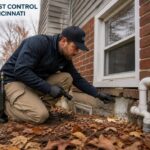
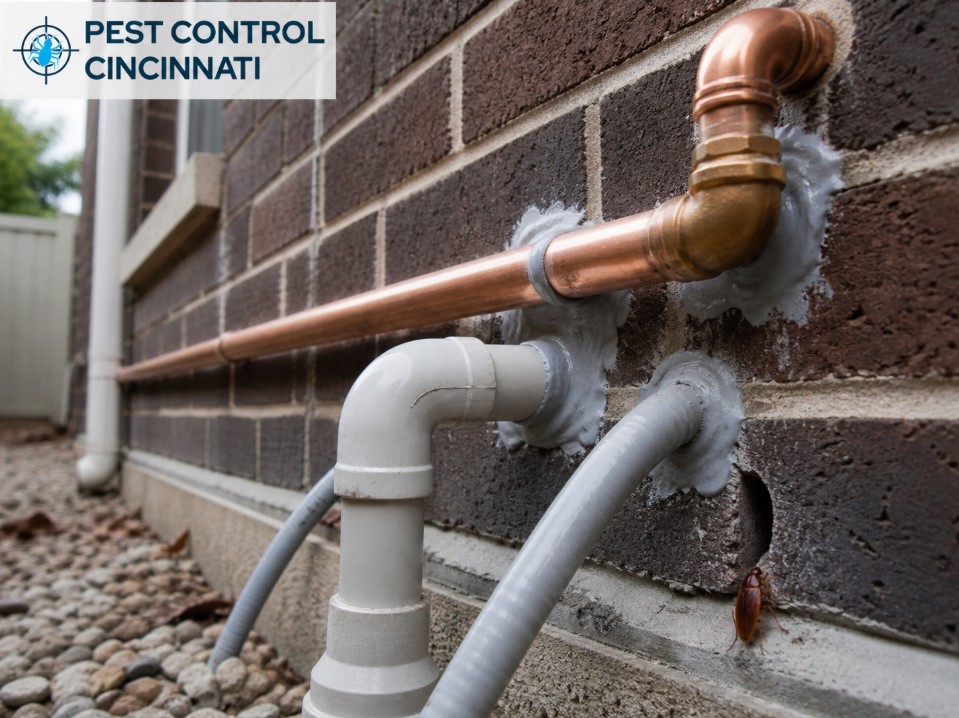
Most homeowners lock their doors and screen their windows, yet pests often walk right in through the pipes. To prevent pests, you have to look beyond the obvious entry points. Gaps around pipes, drains, and utility lines give insects and rodents an easy path into your kitchen, bathroom, and basement. If you want to prevent pests through plumbing openings, the fix starts with knowing where to look and how to seal what you find.
Why Plumbing Openings Attract Pests
Plumbing lines offer warmth, moisture, and shelter, which are the three things pests want most. Cockroaches, ants, silverfish, and rodents follow pipes from crawl spaces and wall voids into living areas. Mice can squeeze through a hole the size of a dime. Even a small gap around a pipe can become a highway.
Homes in the Ohio Valley face extra pressure. Cold winters push pests indoors, and humid summers keep basements damp. Many residents turn to professional pest control in Cincinnati, Ohio, after they find droppings or insects near sinks and drains. Catching these gaps early costs far less than dealing with an infestation.
Common Plumbing Entry Points to Check
Start with a walk-through of your home. Bring a flashlight and look for these trouble spots:
- Under sinks: Check where supply lines and drain pipes pass through the cabinet wall or floor. Gaps here are the most common entry for roaches and mice.
- Behind toilets and tubs: Look for loose escutcheon plates and gaps around the base.
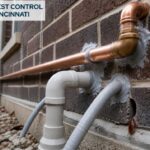
- Basement and crawl space walls: Inspect where water mains, sewer lines, and gas lines enter the foundation.
- Washing machine hookups: Wall openings behind the machine are often oversized and left open.
- Outdoor spigots and dryer vents: Gaps around the exterior pipe can let in ants and wasps.
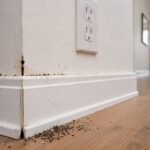
Also watch for signs of activity. Greasy rub marks, droppings, gnaw marks, and musty odors near pipes all suggest pests are already using the opening.
Practical Ways to Seal Plumbing Openings
Once you find the gaps, you can close most of them yourself with a few inexpensive materials.
Use the right filler. Seal small gaps with silicone or polyurethane caulk. For larger openings, stuff the hole with stainless steel wool or copper mesh first, then cover it with caulk or expanding foam. Rodents can chew through foam alone, so the metal layer matters.
Install escutcheon plates and pipe collars. These cover the opening around a pipe and give you a tighter seal. Choose metal over plastic whenever possible.
Fix leaks right away. Dripping pipes and wet insulation draw pests. Repair leaks, insulate sweating pipes, and run a dehumidifier in damp basements.
Keep drains clean. Flush rarely used floor drains with water monthly, and use an enzyme cleaner to break down the organic buildup that feeds drain flies and roaches.
Use sturdy drain covers and sewer caps. Make sure any cleanout caps are intact and tightly fitted.
Bed Bugs, Termites, and Other Hidden Threats
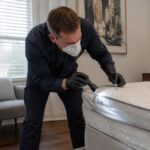
Not every pest comes through a pipe, but wall voids around plumbing can help them spread once they’re inside. Bed bugs, for example, travel through gaps along pipes and wiring between apartments or rooms. If you suspect them, professional bed bug removal in Cincinnati is the safest route. Understanding the bed bug removal process helps, too. A licensed technician inspects every sleeping area, applies targeted treatments, and schedules follow-up visits to catch survivors.
Termites love moisture, and leaky plumbing is a major attractant. Mud tubes near pipe penetrations in a foundation are a red flag. Cincinnati termite control programs typically include a full inspection, soil or bait treatment, and ongoing monitoring. Acting quickly protects your home’s structure and your investment.
Schedule a Pest Inspection Before Buying a House
If you’re purchasing a home, a standard home inspection won’t always catch pest problems. A dedicated pest inspection before buying a house can uncover gnaw marks, wood damage, moisture issues, and unsealed plumbing penetrations before you sign. It also gives you leverage to negotiate repairs or credits. Think of it as inexpensive insurance against surprise costs after move-in day.
Understanding Pest Service Cost
Homeowners often ask what pest service costs. The answer depends on the type of pest, the size of your home, and how severe the problem is. A one-time treatment for ants or roaches usually costs less than a termite program or a full bed bug treatment. Recurring plans often cost less per visit and help prevent pests from returning. Always request a written estimate and ask what the service includes, such as exclusion work, follow-up visits, and warranties.
When You Need Same-Day Pest Control
Some situations can’t wait. If you see rodents in the kitchen, a swarm of insects, or signs of bed bugs, same-day pest control can stop the problem from spreading. Fast response also limits food contamination and the stress of living with pests. Look for a provider that offers emergency scheduling and can seal entry points during the same visit.
Local Help Close to Home
Location matters, too. Northern suburbs like Blue Ash have older homes with aging plumbing and mature landscaping, which can increase pest pressure. Working with a provider that knows the area, such as one offering pest control in Blue Ash, means you get treatments suited to local conditions and seasonal pest cycles.
Protect Your Home With Pest Control Cincinnati
Sealing plumbing openings is one of the smartest steps you can take to prevent pests, but sometimes DIY isn’t enough. If you’ve found gaps you can’t reach, signs of activity, or a full-blown infestation, the experts at Pest Control Cincinnati are ready to help. Our licensed technicians inspect, seal entry points, and treat problems at the source, with fast scheduling and honest pricing. Call Pest Control Cincinnati today to book your inspection and keep your home pest-free all year long.