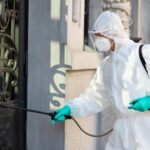
Pest control treatments are an essential step in maintaining a safe and hygienic home. Whether you are dealing with insects, rodents, or termites, professional pest control services use various methods to eliminate infestations. The most common concern homeowners have is whether it is safe to stay inside the house after treatment. The answer depends on the type of pest control method used, the chemicals involved, and the level of ventilation in your home.
In this guide, you will learn about different pest control treatment types and know how they impact safety, helping you make informed decisions after a treatment has been carried out.
Understanding Safety After Pest Control Treatments
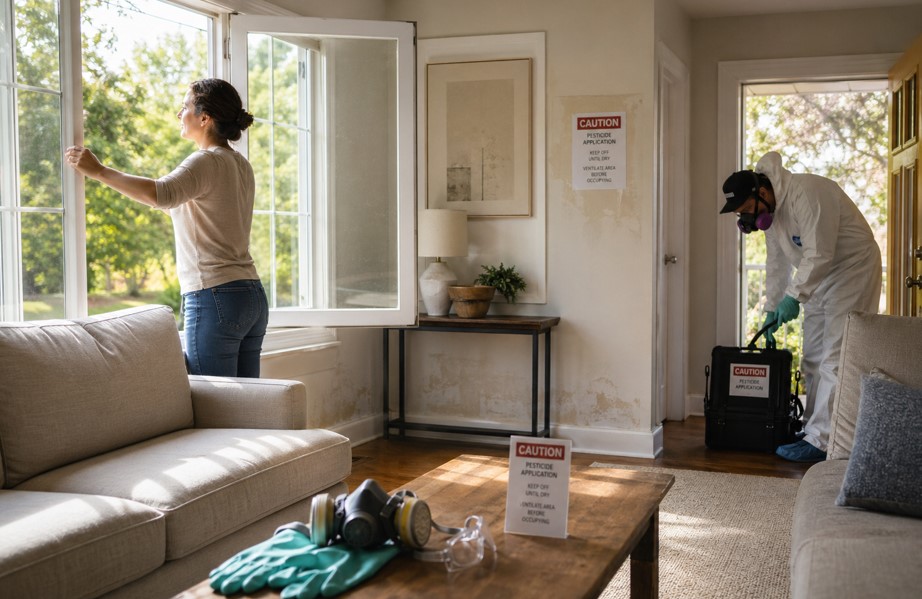
Licensed technicians follow strict guidelines and use approved products that are considered safe when applied correctly. Certain treatments may require temporary evacuation or restricted access to treated areas.
The duration you need to stay out of your home depends on factors like the type of pest being treated, the chemicals used, and the method of application. Proper ventilation, following technician instructions, and allowing adequate drying or settling time are key to ensuring safety.
General Safety Guidelines
After pest control treatment, it is recommended to:
- Avoid immediate re-entry if advised by the technician
- Keep children and pets away from treated areas for a specified time
- Open windows and doors to improve ventilation
- Avoid cleaning treated surfaces too soon unless instructed
- Follow all post-treatment instructions carefully
Let’s discuss how different pest control treatments affect safety.
Bed Bug Control Treatments
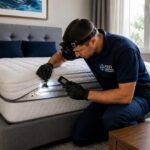
Bed bug infestations are commonly treated using chemical sprays, heat treatments, or a combination of both. Chemical-based bed bug control methods require a short waiting period before it is safe to re-enter the treated area.
In many cases, homeowners may need to stay out of the house for a few hours until surfaces dry and airborne particles settle. Heat treatments involve raising the room temperature to eliminate bed bugs and do not involve chemicals. These are safer for quicker re-entry, though the area may still need time to cool down.
It is important to avoid disturbing treated areas immediately after treatment to ensure maximum effectiveness.
Termite Treatment
Termite Treatment is the more intensive pest control procedures, involving soil treatments, baiting systems, or chemical barriers around the property. These treatments may use termiticides that require careful handling.
In most cases, occupants can remain in the home during termite treatment, as applications are performed outside or in targeted areas such as foundations and soil. If interior drilling or chemical application is involved, temporary evacuation is recommended.
Proper ventilation and avoiding direct contact with treated zones are essential. Always follow the technician’s guidance regarding re-entry and safety precautions.
Rodent Control
Rodent Control involves a combination of trapping, baiting, and exclusion techniques. Since rodents spread disease through droppings and urine, the treatment process involve sanitation measures with pest removal.
Most rodent control methods do not require homeowners to leave the premises. Baits and traps are placed in areas that are inaccessible to humans and pets. Caution is advised when handling traps or cleaning affected areas.
If rodenticides are used, it is important to keep children and pets away from bait stations and avoid tampering with them. Rodent control is considered low risk in terms of re-entry safety.
General Pest Sprays and Residual Treatments
Many pest control treatments involve residual sprays applied to surfaces where pests are likely to travel. These sprays continue working over time to eliminate pests such as ants, cockroaches, and spiders.
After application, it is recommended to stay out of treated rooms until the spray has dried completely. This can take from 30 minutes to a few hours depending on ventilation and weather conditions.
These treatments are safe for occupants. Avoiding direct contact with treated surfaces immediately after application is advised, for vulnerable individuals like children, elderly people, and those with respiratory conditions.
Factors That Influence Safety
Several factors determine how safe it is to remain in your home after pest control:
- Type of chemicals used and their toxicity levels
- Method of application (spray, bait, fumigation, heat)
- Size and ventilation of the treated area
- Presence of children, pets, or individuals with sensitivities
- Instructions provided by the pest control technician
Modern pest control services prioritize eco-friendly and low-toxicity solutions, making it safer for homeowners to return sooner than in the past.
Final Thoughts
In most cases, it is safe to be in your house after pest control once the recommended waiting period has passed. The key is understanding the type of treatment used and following professional advice carefully. Treatments like bed bug control, termite treatment, and rodent control have different safety considerations, but all are designed to minimize risk when applied correctly.
If you want reliable and safe pest management solutions, professional guidance ensures that treatments are carried out effectively while keeping your household protected. For expert assistance and trusted services, reach out to Pest Control Cincinnati to schedule a consultation and keep your home pest-free with confidence.