Landlords have a responsibility to maintain safe and habitable properties. One of the key duties is pest control. While tenants are expected to keep their living spaces clean, landlords are responsible for preventing and addressing infestations, especially those that make a property uninhabitable.
Even new or well-maintained buildings can develop pest problems over time. Ignoring these issues can lead to tenant complaints, health risks, and legal complications. Professional pest control services help landlords keep properties clean, safe, and free from pests.
Pest Control Services for Landlords in Cincinnati
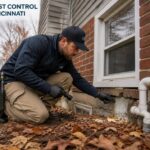
Professional pest control is the best way for landlords to protect their investment. Services for landlords include inspections, targeted treatments, and preventive measures that cover the entire property from individual units to shared spaces.
By working with Pest Control Cincinnati, landlords can ensure that infestations are handled quickly and safely, reducing tenant complaints and protecting property value.
Coverage for Residential and Commercial Properties in Cincinnati
Whether you manage apartments, office buildings, or rental homes, professional pest control can be tailored to meet the needs of each property. Regular treatments prevent infestations, protect tenants, and reduce damage caused by pests.
Pest Control Cincinnati provides comprehensive services for landlords across Cincinnati, offering safe, effective, and environmentally responsible treatments for all property types.
Landlord Responsibilities for Pest Control in Cincinnati
Maintain Overall Cleanliness and Sanitation
Landlords must ensure that the property and its surroundings, including common areas and trash disposal spaces, are kept clean. Any conditions that attract pests like standing water or accumulated waste should be addressed immediately.
React Promptly to Infestations
When tenants report pest problems, landlords need to respond quickly. Delays can make infestations worse and more expensive to treat.
Hire Professional Pest Control Services
For major infestations, landlords are responsible for hiring and paying professional pest control services. These experts identify the source of the problem and apply treatments safely and effectively.
Inspect and Prevent Vulnerabilities
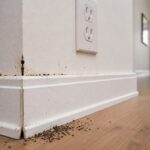
Landlords should regularly check properties for potential pest entry points, including cracks, holes, or gaps around doors and windows. Repairs and preventive measures reduce the chance of recurring infestations.
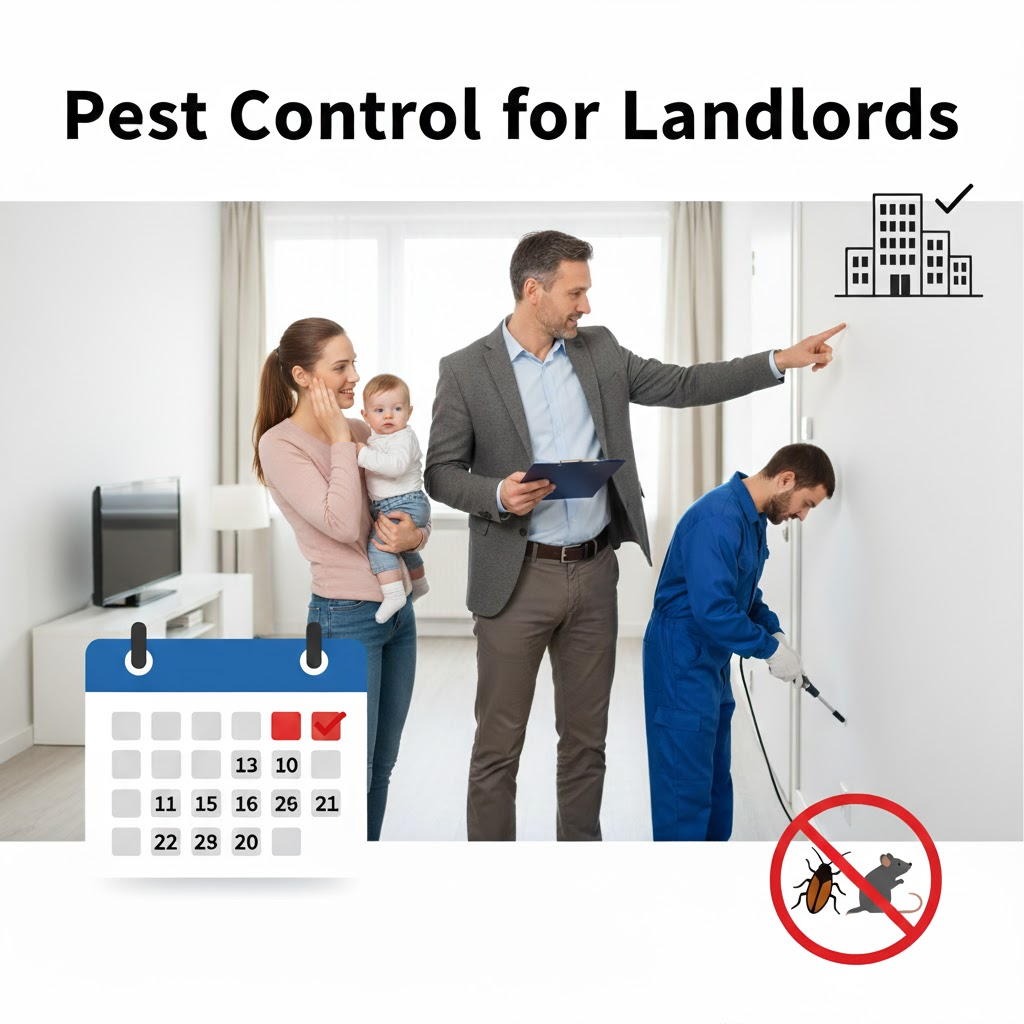
Notify Tenants About Treatments
It is important to communicate with tenants about pest control treatments. Landlords should explain the type of treatment and provide any safety instructions to make the process smooth and safe.
Tenant Responsibilities in Cincinnati
Tenants also play a role in keeping a property pest-free:
- Report Problems Quickly: Notify the landlord immediately if pests are seen.
- Maintain Cleanliness: Keep living spaces clean and remove food debris to avoid attracting pests.
- Cooperate With Treatments: Follow instructions from pest control professionals to ensure the treatment works effectively.
When Responsibility May Shift in Cincinnati
In some situations, tenants may share responsibility for pest control:
- Tenant-Caused Issues: If the infestation happens because of poor cleanliness or negligence, tenants may pay for treatment.
- Minor or Isolated Pests: Occasional stray insects may be the tenant’s responsibility, depending on the location and local laws.
- Lease Agreements: Leases may attempt to assign responsibilities, but local housing laws take priority over any conflicting clauses.
Final Thoughts on Pest Control Services for Landlords
Landlords are responsible for providing habitable, pest-free properties. While tenants should maintain cleanliness and report problems, landlords must respond promptly, hire professionals, and take preventive action.
Investing in professional pest control safeguards your property, meets legal obligations, and ensures tenants enjoy a safe environment. The right approach minimizes pest problems, reduces long-term costs, and helps landlords maintain a strong reputation for responsible property management.