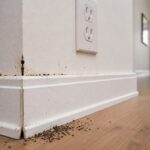
Finding a line of ants in your kitchen or along your windowsill can be frustrating. While most ants are harmless, they can still contaminate food and surfaces, spread bacteria, and quickly multiply into a full-blown infestation. If you’re looking for ways to get rid of ants without relying heavily on harsh chemicals, there are many safe and effective options to try.
Below, we’ll cover natural remedies that help kill and repel ants, what commercial products work best, and when it’s time to call an exterminator for professional help.
Understanding the Ant Problem
There are more than 12,000 known species of ants around the world. Most don’t pose a danger to humans, but certain species can carry bacteria that may cause infections. Once ants find a reliable food or water source, they leave behind a pheromone trail that guides other ants to follow, which is why you rarely see just one.
To get rid of ants completely, you need to focus on both eliminating the visible ants and disrupting their scent trails and colonies.
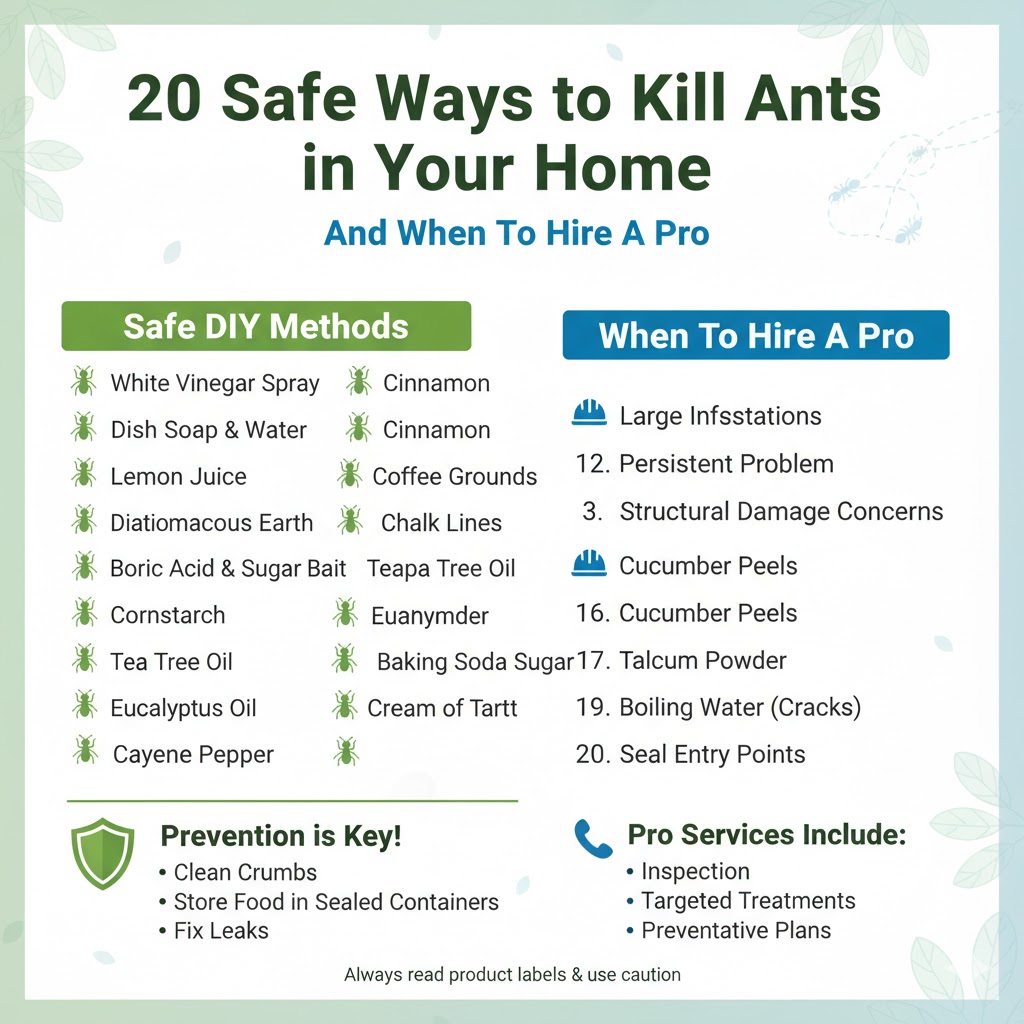
20 Natural and Safe Ways to Kill Ants
Here are some of the most effective home remedies for DIY pest control to remove ants safely and naturally.
1. Borax Solution
Borax, or sodium tetraborate, is a powder often used in cleaning. When mixed with sugar, it attracts ants, and once they ingest it, it proves fatal to the colony.
How to use it:
- Wear gloves before handling.
- Mix ½ teaspoon borax, 8 teaspoons sugar, and 1 cup warm water.
- Soak cotton balls in the solution and place them where ants are active.
- Keep away from pets and children.
2. Diatomaceous Earth
Made from fossilized algae, diatomaceous earth kills ants by drying out their exoskeletons.
How to use it:
Sprinkle food-grade diatomaceous earth in cracks, entry points, or areas where ants travel. Avoid breathing in the dust, as it can irritate your lungs.
3. Glass Cleaner and Liquid Soap
This combination helps erase the ant pheromone trails that lead others to food sources.
How to use it:
Mix glass cleaner and dish soap in a spray bottle, spray on ant trails, and wipe the area clean. Repeat as needed.
4. Black or Cayenne Pepper
Ants dislike strong, spicy smells. Sprinkle black or cayenne pepper near baseboards, behind appliances, and along entry points to discourage them from coming inside.
5. Peppermint Essential Oil
Peppermint oil is a natural insect repellent with a fresh scent.
How to use it:
Mix 10–20 drops of peppermint oil with 2 cups of water in a spray bottle. Apply around windows, doors, and baseboards. Keep it away from pets, especially cats.
6. Tea Tree Oil
Tea tree oil is another essential oil that helps deter ants and other pests.
How to use it:
Combine 5–10 drops of tea tree oil with 2 cups of water, then spray around your home or soak cotton balls and place them in corners.
7. Lemon Eucalyptus Oil
This oil contains citronella, a natural insect repellent that can help keep ants away.
How to use it:
Soak cotton balls with undiluted lemon eucalyptus oil and leave them near entry points. Replace weekly.
8. Oil of Lemon Eucalyptus (OLE)
Different from lemon eucalyptus essential oil, OLE contains PMD, a compound approved by the EPA as a safe insect repellent. Apply OLE around doors and windows for longer-lasting protection.
9. White Vinegar
A 1:1 mixture of vinegar and water works as both a cleaner and a mild ant deterrent. Spray it on counters, floors, and windowsills where ants are active. It removes pheromone trails and disinfects surfaces.
10. Boiling Water
If you find ant hills outside your home, pour boiling water directly into the holes. It kills many ants instantly but may not eliminate the entire colony, so treat all visible mounds.
11. Cornstarch
Cornstarch can smother ants when used in large amounts.
Two ways to use it:
- Cover ants with cornstarch, then pour water over it and clean up after it dries.
- Sprinkle cornstarch over ants, vacuum them up, and dispose of the bag outside.
12. Cinnamon Leaf Oil
Cinnamon oil has compounds that are toxic to ants. Soak cotton balls in cinnamon leaf essential oil and place them in ant-prone areas, replacing weekly.
13. Neem Oil
Neem oil disrupts ant feeding and reproduction. Use it around plants or along entryways, especially where aphids are present (since ants often farm aphids for food).
14. Coffee Grounds
Used coffee grounds can act as a natural deterrent. Spread them on index cards and place them near pet bowls or windowsills. Replace them once they dry out.
15. Boric Acid
Similar to borax, boric acid kills ants that ingest it.
How to use it:
Mix ½ teaspoon boric acid, 8 teaspoons sugar, and 1 cup warm water. Soak cotton balls and leave them in ant-prone areas. Keep away from children and pets.
16. Lemon Juice
The acidity and scent of lemon remove pheromone trails and mask food odors. Wipe surfaces with lemon juice or leave lemon peels in cupboards to deter ants.
17. Inspect Houseplants
Ants sometimes build nests in potted plants. Check for activity under the soil and discard infested plants if needed. Placing citrus peels on top of the soil can help prevent nesting.
18. Maintain a Clean Yard
Cut back vines and tree branches that touch your home, and remove piles of leaves or wood that can serve as entry points or nesting sites.
19. Eliminate Food Sources
Ants love sweet and starchy foods. Keep your kitchen spotless by sealing containers, cleaning crumbs, and washing dishes promptly. Don’t leave pet food out for long.
20. Block Entry Points
Inspect your home for small cracks, gaps near floorboards, and torn window screens. Seal these areas to stop ants from getting inside.
Simple Tips to Prevent Kitchen Ants
The kitchen is the most common area for ants because of easy access to food and water. To keep them away:
- Wipe surfaces and mop floors daily.
- Rinse pet bowls after feeding.
- Use natural sprays to disrupt ant trails.
- Store all dry goods in sealed containers.
Using Pesticides and Commercial Products
If natural remedies don’t fully solve the problem, commercial solutions can offer stronger results.
Chemical Sprays
Products like Raid work quickly and last longer than homemade mixtures. However, they contain ingredients like imiprothrin and cypermethrin that should never be inhaled or sprayed near food. Use with caution and good ventilation.
Bait Traps
Bait traps are one of the most effective commercial options. Ants carry poisoned bait back to their colony, gradually eliminating the nest. Some traps contain boric acid or hydramethylnon — both toxic to pets and children — so read labels carefully before purchasing.
When to Hire an Exterminator
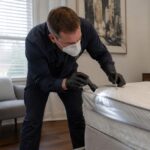
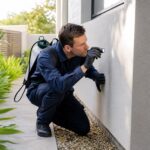
If you’ve tried natural methods and ants keep returning, it’s time to call a professional. An experienced exterminator can identify the species, locate nests, and apply safe treatments that target colonies effectively.
When hiring, call our Pest Control Cincinnati professionals who use eco-friendly or low-toxicity methods, especially if you have kids, pets, or respiratory conditions. Always ask what chemicals they use before scheduling service.
Frequently Asked Questions
How can I get rid of ants permanently?
Use borax or diatomaceous earth to target colonies and pour boiling water into outdoor nests. For stubborn infestations, seek professional help.
What kills ants instantly?
Boiling water, vinegar sprays, and cornstarch can kill ants quickly on contact, though they may not reach the nest.
What smells do ants hate?
Ants avoid strong scents like peppermint, tea tree, lemon eucalyptus, vinegar, and black pepper.