Bed bugs are the most frustrating and costly pest problem for homeowners and businesses across the United States. According to the National Pest Management Association, 1 in 5 Americans has experienced a bed bug infestation or knows someone who has. In addition, more than 90% of professional pest control companies report treating bed bugs each year. In 2026, rising labor costs, improved treatment technology, and higher demand for services are all influencing pricing nationwide.
This guide highlights key factors that determine what you can expect to pay and how to get the best value for your investment.
Bed Bug Treatment Cost in 2026
The bed bug treatment cost in 2026 ranges between $300 and $5,000, depending on the severity and size of the infestation. The national average cost for a standard residential treatment falls between $1,000 and $2,500. Severe whole-home infestations can exceed $6,000, when multiple treatment methods are required.
Statistics show that early-stage infestations can cost up to 50% less to treat than widespread infestations. This highlights the importance of acting quickly when signs first appear.
Size of the Infested Area
The size of the affected space is the most significant pricing factor. For example:
- Studio or 1-bedroom apartment: $300–$1,000
- 2–3 bedroom home: $1,000–$3,000
- Large home (2,000+ sq. ft.): $3,000–$6,000
Larger areas require more labor hours, more equipment, and greater product usage, directly increasing the bed bug treatment cost.
Severity of Infestation
Infestation severity significantly affects pricing. Research shows that a female bed bug can lay 200–500 eggs in her lifetime. Under ideal conditions, bed bug populations can double approximately every 16 days. That rapid growth means a small issue can become a major infestation within 2–3 months.
Severe infestations require 2–3 treatment visits, increasing overall costs by 25% to 60% compared to single-visit treatments.
Type of Treatment Method Used
The chosen method plays a major role in overall expenses.
Heat Treatment
Heat treatment costs between $2,000 and $4,000 for a full home. It is considered highly effective because it eliminates 95% to 100% of bed bugs and eggs in a single visit when performed correctly.
Chemical Treatment
Chemical treatments range from $300 to $1,500 per visit. Most cases require 2 or more treatments spaced 2–4 weeks apart. While the upfront cost is lower, multiple visits can raise the total price.
Integrated Pest Management
Integrated approaches combining heat, chemical treatments, and monitoring may cost 10% to 20% more initially but reduce recurrence rates by up to 40%.
Commercial bed bug treatment
Commercial bed bug treatment costs are higher due to scale and urgency. Hotels, apartment complexes, and office buildings may pay between $5,000 and $20,000 depending on the property size.
In hospitality settings, a single negative online review related to bed bugs can reduce bookings by 30% or more. As a result, many businesses invest in 24/7 pest control services to address issues and prevent revenue loss.
Commercial properties require coordinated scheduling, discreet services, and compliance documentation, which adds to the overall bed bug treatment cost.
Most effective bed bug treatment
The most effective bed bug treatment in 2026 involves whole-structure heat combined with targeted chemical applications. Studies indicate that heat treatments alone achieve success rates above 90%, while combined approaches can exceed 98% effectiveness.
This method may cost 15% to 25% more than basic chemical-only treatments, it lowers the chance of re-infestation, saving money long term.
Professional bed bug treatment
Choosing professional bed bug treatment rather than DIY solutions increases success rates. DIY treatments have failure rates as high as 70% when used incorrectly.
Professional exterminators use commercial-grade equipment, monitoring tools, and trained inspection methods. When searching for a pest control company near me, it’s important to evaluate experience, service guarantees, and inspection thoroughness rather than choosing the lowest price.
Location and Regional Pricing
Location plays a role in cost variation. Urban areas have 10% to 25% higher service rates due to increased operating expenses. For example, bed bug treatment cincinnati may be more affordable than pricing in cities like New York or San Francisco, where labor and licensing fees are higher.
Demand also affects pricing. Bed bug complaints increase by approximately 15% during peak travel seasons in summer months.
Number of Treatment Visits Required
The number of visits directly affects total expenses. Roughly 60% of moderate infestations require at least two visits. Each additional visit may add $300 to $1,000 to the overall cost.
Some companies include follow-up inspections in their pricing, while others charge separately. Always clarify what is included in the service package.
Preparation and Cleanup Requirements
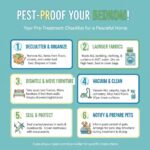
Proper preparation can improve treatment success rates by up to 50%. Severe infestations may require mattress disposal, furniture replacement, or deep cleaning services.
Replacing a mattress alone can cost $500 to $2,000, which adds to the overall financial impact.
Combined Pest Issues
If other pests are present, costs may vary. Some companies offer bundled services that include Termite Treatment or Rodent Control along with bed bug elimination. While bundled services increase the invoice, customers often save 10% to 20% compared to scheduling separate services.
Emergency or 24/7 Services
Emergency infestations may require immediate service. 24/7 pest control services charge a 15% to 30% premium for same-day or after-hours appointments. Fast action can prevent infestations from spreading to additional rooms or units.
Technology and Innovation in 2026
Modern detection tools such as canine inspections and thermal imaging improve accuracy by up to 90%. While advanced inspection services may add $200 to $500 to the initial visit, they reduce unnecessary treatments and increase long-term effectiveness.
Final Thoughts
The bed bug treatment cost in 2026 is influenced by property size, infestation severity, treatment type, and location. With national averages ranging from $1,000 to $2,500, early detection can reduce expenses by up to 50%.
Acting quickly, investing in professional expertise, and choosing the most effective treatment method can prevent recurring infestations and higher long-term costs.
If you are dealing with an infestation and need immediate assistance, contact Pest Control Cincinnati today. Our experienced team provides thorough inspections, customized treatment plans, and dependable service to protect your home or business. Call Pest Control Cincinnati now for fast, effective, and professional pest control solutions you can trust.